Circulation Training: A Beginner's Guide for Men
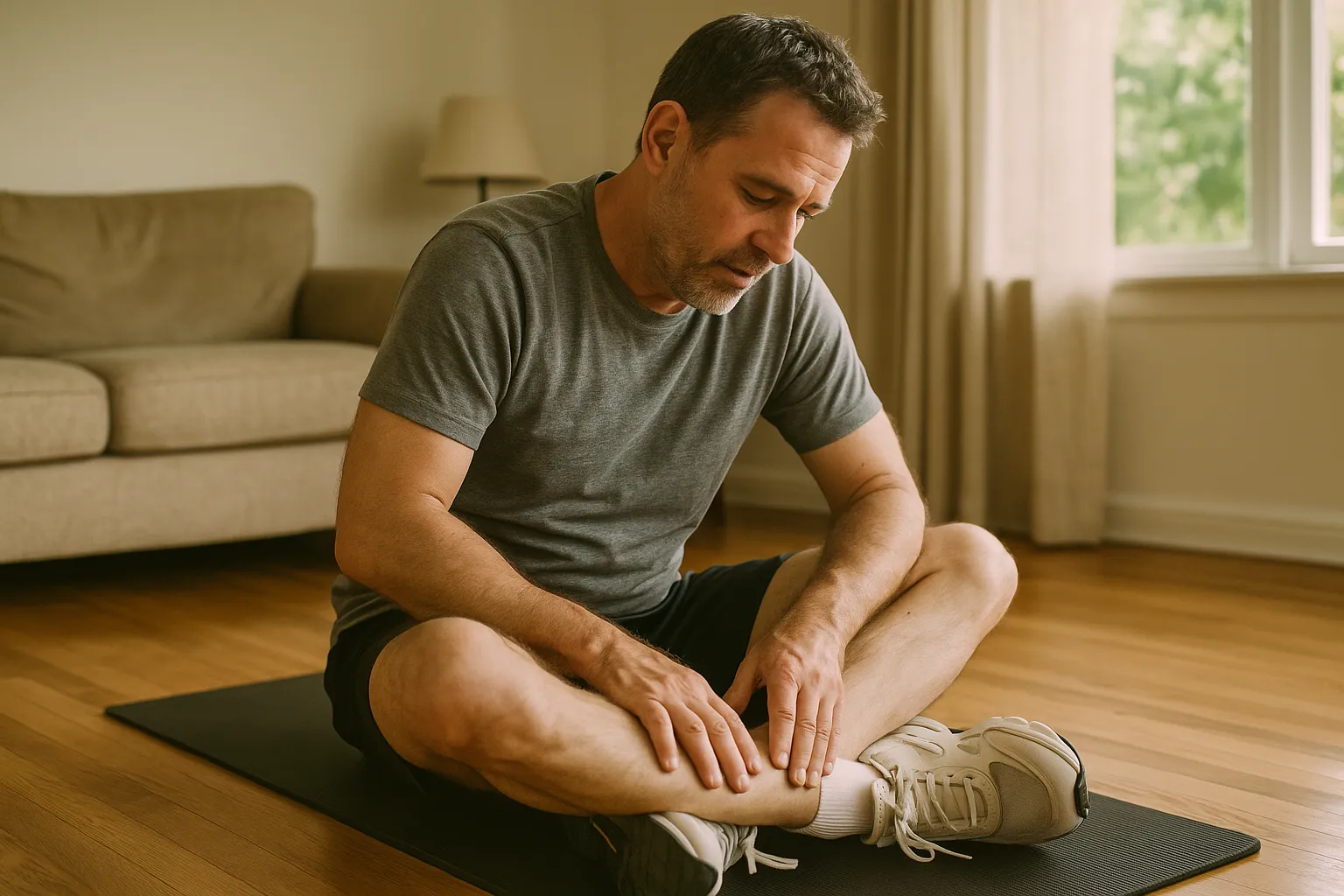
If you've never heard of circulation training before, you're not alone. Most men focus on lifting heavier or running faster, without realizing that how well blood moves through the body plays a major role in energy, stamina, and physical readiness. Circulation training simply means using specific movements, breathing techniques, and lifestyle habits to support healthy blood flow throughout the body. This guide breaks it down step by step, starting with the basics, so you can build a routine that fits into your week without feeling overwhelming.
What Is Circulation Training and Why Does It Matter?
Your circulatory system is the network of blood vessels that delivers oxygen and nutrients to your muscles, organs, and tissues. When circulation is sluggish, men often notice cold hands or feet, muscle fatigue that lingers longer than expected, or a general feeling of low vitality even after resting.
Circulation training isn't a single exercise — it's a category of movement and habit-based strategies designed to encourage healthy blood flow. Research suggests that regular physical activity, especially movements that engage large muscle groups, can support vascular function over time. For men focused on performance and confidence in daily life, this makes circulation an important — and often overlooked — piece of the fitness puzzle.
Getting Started: The Basics Before You Begin
You don't need special equipment or a gym membership to start. Before diving into specific exercises, keep these foundational principles in mind:
- Start slow. If you're new to structured exercise, ease into any new routine gradually to avoid strain.
- Consistency beats intensity. Short, regular sessions tend to be more sustainable than occasional intense workouts.
- Hydration matters. Blood is largely water, so staying hydrated supports its ability to flow efficiently.
- Warm up first. A few minutes of light movement helps prepare your vascular system for more demanding activity.
Beginner-Friendly Movements That Support Circulation
Low-Impact Cardio
Activities like brisk walking, swimming, or cycling get your heart pumping without putting excessive stress on joints. Aim for 20-30 minutes, three to four times a week, as a starting benchmark. Over time, you can increase duration or intensity as your fitness improves.
Leg and Calf Activation
Your calves are sometimes called the "second heart" because their muscle contractions help push blood back up toward your heart. Simple calf raises — standing on your toes and lowering back down — done in sets of 15-20 repetitions can be a gentle way to engage this pump mechanism, especially if you sit for long periods during the day.
Dynamic Stretching
Unlike static stretching (holding a position), dynamic stretches involve continuous movement — like leg swings or arm circles. These can help increase blood flow to muscles before more intense activity and may reduce stiffness afterward.
Resistance Training
Light-to-moderate strength training, such as bodyweight squats, push-ups, or resistance bands, encourages blood flow to working muscles. As a beginner, focus on proper form over heavy loads, and gradually progress as your body adapts.
Breathing Techniques That Support Blood Flow
Many men overlook breathing as part of physical training, but deep, controlled breathing can support circulation by improving oxygen exchange and helping regulate blood pressure. A simple technique to try:
- Inhale slowly through your nose for a count of four.
- Hold for a count of two.
- Exhale through your mouth for a count of six.
- Repeat for five to ten cycles, especially before or after a workout.
This kind of paced breathing is often used in yoga and mindfulness practices and may complement your circulation-focused routine.
Lifestyle Habits That Complement Circulation Training
Exercise is only one part of the picture. A few daily habits can make a meaningful difference:
- Move throughout the day. Long periods of sitting can slow circulation. Standing up and moving every hour, even briefly, helps counteract this.
- Manage stress. Chronic stress is linked to changes in blood vessel function, so incorporating relaxation techniques may offer indirect support.
- Prioritize sleep. Restorative sleep gives your cardiovascular system time to recover and regulate.
- Mind your energy patterns. If you notice your stamina consistently dips at certain times of day, it may be worth exploring habits that address those dips directly — for example, this practical guide for men dealing with afternoon energy slumps offers strategies that pair well with a circulation-focused routine.
Building a Simple Weekly Routine
Here's an example of how a beginner might structure a week that incorporates circulation training without becoming overwhelming:
- Monday: 20-minute brisk walk + calf raises
- Tuesday: Bodyweight resistance training (squats, push-ups) + dynamic stretching
- Wednesday: Rest or light stretching + breathing exercises
- Thursday: 20-minute cycling or swimming session
- Friday: Resistance training + calf raises
- Saturday: Longer low-impact cardio session (30-40 minutes)
- Sunday: Rest and recovery, with optional gentle stretching
Adjust the frequency and intensity based on how your body responds. The goal is gradual, sustainable progress rather than pushing too hard too fast.
Common Mistakes Beginners Should Avoid
- Skipping warm-ups. Jumping straight into intense activity can put unnecessary strain on your cardiovascular system.
- Ignoring recovery. Muscles and blood vessels need rest to adapt and strengthen.
- Overlooking posture. Sitting or standing with poor posture for extended periods can restrict blood flow, particularly in the legs.
- Neglecting hydration and nutrition. A diet lacking in key nutrients can affect vascular health over time, so a balanced approach to eating supports your training efforts.
Frequently Asked Questions
Do I need special equipment for circulation training? No. Most beginner-friendly movements, like walking, calf raises, and bodyweight exercises, require little to no equipment.
How soon might I notice a difference? Every person responds differently, and results vary. Some men notice improved stamina or reduced muscle fatigue after a few weeks of consistent habits, while for others it may take longer. Patience and consistency are key.
Can circulation training help with overall stamina? Many of the habits described here — regular movement, breathing techniques, and strength training — are commonly associated with supporting endurance and physical readiness, though individual results can vary based on overall health and lifestyle.
Getting Started Today
Circulation training doesn't require a complete lifestyle overhaul. By starting with simple, beginner-friendly movements and layering in supportive habits like better breathing and consistent movement throughout your day, you can build a foundation that supports stamina, energy, and overall physical confidence over time. As with any new fitness routine, listen to your body, progress gradually, and consider speaking with a healthcare provider if you have underlying health conditions before beginning a new exercise program.
This article is for informational purposes only and is not a substitute for professional medical advice.