Post-Workout Cooldown: Why It Matters for Stamina and Circulation
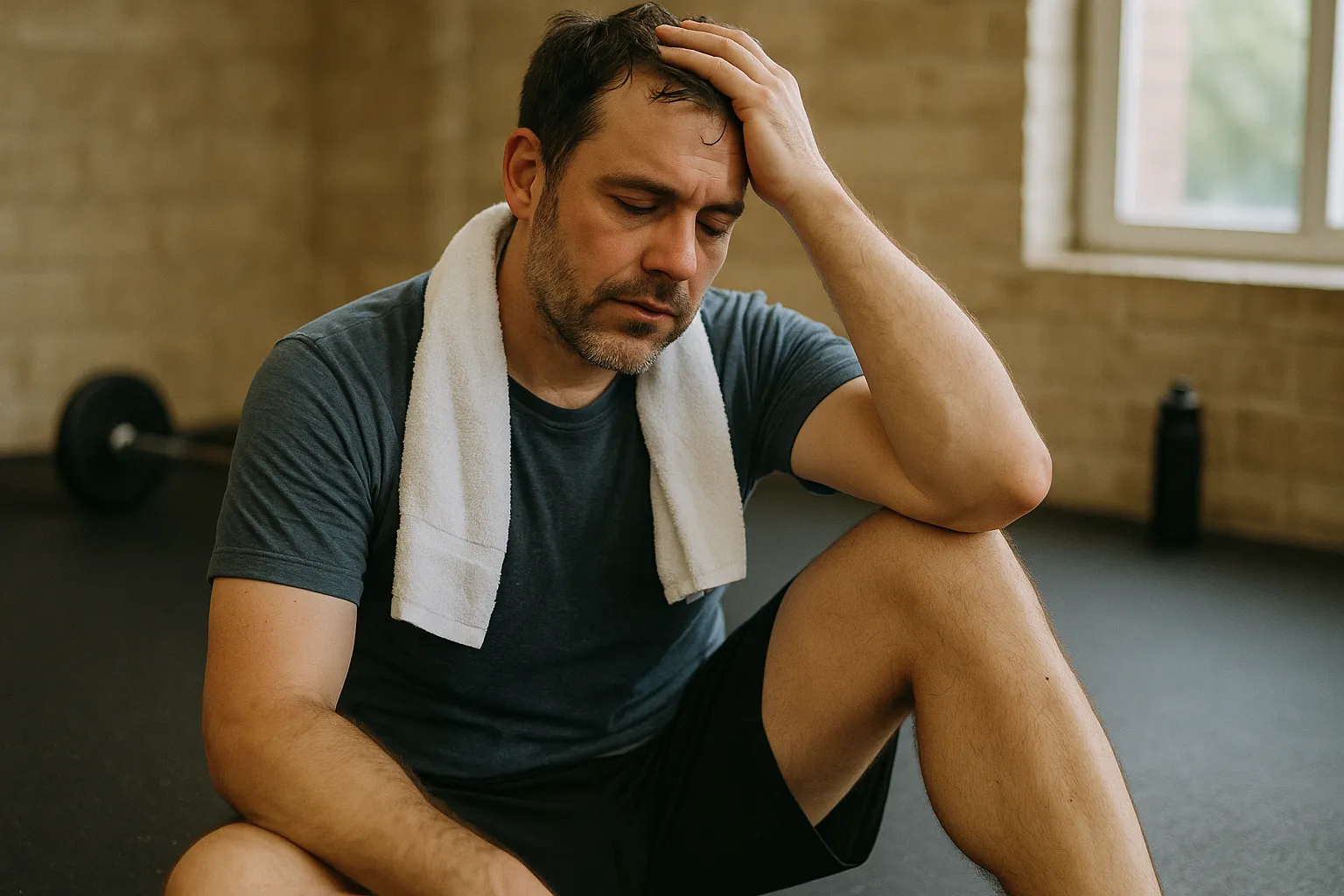
Most men spend plenty of time thinking about how hard they train, but far less time thinking about how they finish a workout. A proper post-workout cooldown is one of the most overlooked pieces of a performance routine, yet it plays a real role in how your body handles blood flow, muscle fatigue, and recovery after intense effort. Instead of walking away the moment the last rep is done, a short, deliberate cooldown period helps your heart rate, circulation, and nervous system transition back to a resting state more smoothly.
This article breaks down what a post-workout cooldown actually does, why it matters for circulation and stamina, and how to structure one that fits into a realistic routine.
What Is a Post-Workout Cooldown?
A cooldown is the short window of low-intensity movement and stretching that follows a workout, typically lasting five to fifteen minutes. Rather than stopping abruptly after lifting, sprinting, or a high-intensity session, a cooldown gradually lowers heart rate and breathing rate while keeping blood moving through the muscles that just worked hardest.
A basic cooldown might include:
- Slow-paced walking or light cycling
- Gentle static stretches held for 20–30 seconds
- Controlled breathing exercises
- Light mobility movements for major joints
The goal isn't to burn more calories or build more strength — it's to help the body shift out of "performance mode" and into recovery mode in a controlled way.
Why a Post-Workout Cooldown Matters
It Supports Circulation
During exercise, your heart pumps blood at an elevated rate to deliver oxygen to working muscles. Stopping suddenly can cause blood to pool in the lower extremities instead of circulating efficiently back toward the heart, which is part of why some people feel lightheaded after an abrupt stop. A gradual cooldown keeps the muscles contracting lightly, which helps support venous return and steadier circulation as the body settles down. For men interested in the bigger picture of blood flow and performance, the guide on circulation drills and better blood flow offers additional context on how movement patterns influence vascular health.
It May Help With Muscle Fatigue and Lactic Acid Clearance
Intense training produces metabolic byproducts, including lactic acid, that contribute to that heavy, fatigued feeling in muscles. While lactic acid clears from the bloodstream relatively quickly on its own, light movement during a cooldown may support the process by keeping blood flow active in the muscles that were just worked. This is closely related to strategies covered in 7 Ways to Reduce Lactic Acid Buildup During Workouts, which dives deeper into how pacing and movement choices affect that burning sensation during and after exercise.
It Supports the Shift From "Fight or Flight" to Recovery
Exercise activates the sympathetic nervous system — the body's "go" mode. A cooldown period, especially one that includes slower breathing, gives the parasympathetic ("rest and digest") system a chance to take over more gradually. This shift matters because recovery, tissue repair, and even hormone regulation are more closely tied to the parasympathetic state. Easing into this transition rather than slamming the brakes may make the recovery window that follows more productive, a theme explored further in Workout Recovery: A 7-Step Guide to Bounce Back Stronger.
It May Reduce Next-Day Stiffness
While cooldowns aren't a guaranteed fix for soreness, many men find that finishing a workout with light movement and stretching leaves muscles feeling less stiff the next day compared to stopping cold. This is likely tied to maintained blood flow and reduced abrupt strain on cooling muscle tissue, rather than any dramatic physiological reset.
How to Build an Effective Cooldown Routine
A cooldown doesn't need to be complicated or time-consuming. Here's a simple structure that works for most workout types:
1. Taper the intensity (2–5 minutes). If you were running, slow to a walk. If you were lifting heavy, switch to a light, unweighted version of the movement. The idea is to bring your heart rate down gradually rather than instantly.
2. Add light mobility work (2–3 minutes). Gentle range-of-motion movements for the hips, shoulders, and spine help keep joints loose after they've been under load.
3. Static stretching (3–5 minutes). Hold stretches for the major muscle groups you trained — hamstrings, quads, chest, back, or shoulders — for 20 to 30 seconds each. Avoid bouncing; a slow, steady stretch is more appropriate post-workout.
4. Controlled breathing (1–2 minutes). Slow, deep breaths through the nose can help cue the nervous system that the workout is over and recovery mode can begin.
5. Hydrate. A cooldown is also a natural moment to rehydrate, which supports circulation and helps replace fluid lost through sweat.
Common Cooldown Mistakes to Avoid
- Skipping it entirely when short on time. Even two or three minutes of tapered movement is better than nothing.
- Stretching cold muscles aggressively. Overstretching right after intense effort can increase strain risk; keep it gentle.
- Treating the cooldown as optional only on "hard" days. Consistency matters more than intensity-matching; even lighter sessions benefit from a brief wind-down.
- Ignoring breathing. Many men focus only on physical movement and skip the breathing component, which plays a meaningful role in calming the nervous system.
How Cooldowns Fit Into the Bigger Performance Picture
A cooldown is just one piece of a broader approach to physical readiness. How you warm up, pace your effort, and recover between sessions all interact with how your body feels day to day. Men looking to build more consistent energy and reduce muscle fatigue across their training week may also find value in exploring recovery-focused movement strategies, such as those outlined in guides on active recovery and structured training pacing.
FAQ: Post-Workout Cooldown Questions
How long should a cooldown last? Five to ten minutes is typically enough for most workouts, though longer or more intense sessions may benefit from closer to fifteen minutes.
Can I skip the cooldown if I'm short on time? A brief two-to-three-minute taper and a few stretches is far better than nothing, even if it's shorter than ideal.
Does a cooldown prevent muscle soreness completely? No. Soreness is influenced by many factors, including training intensity and recovery habits overall. A cooldown may help ease the transition but isn't a guaranteed prevention method.
Final Thoughts
A post-workout cooldown is a small investment of time that supports circulation, helps ease muscle fatigue, and gives your nervous system a smoother path back to rest. It won't replace proper training, nutrition, or sleep, but as part of a complete performance routine, it's a simple habit that may help you feel steadier and more prepared for whatever comes next — whether that's tomorrow's workout or the rest of your day.
This article is for informational purposes only and is not a substitute for professional medical advice.