Dopamine Levels and Male Energy: A Beginner's Guide
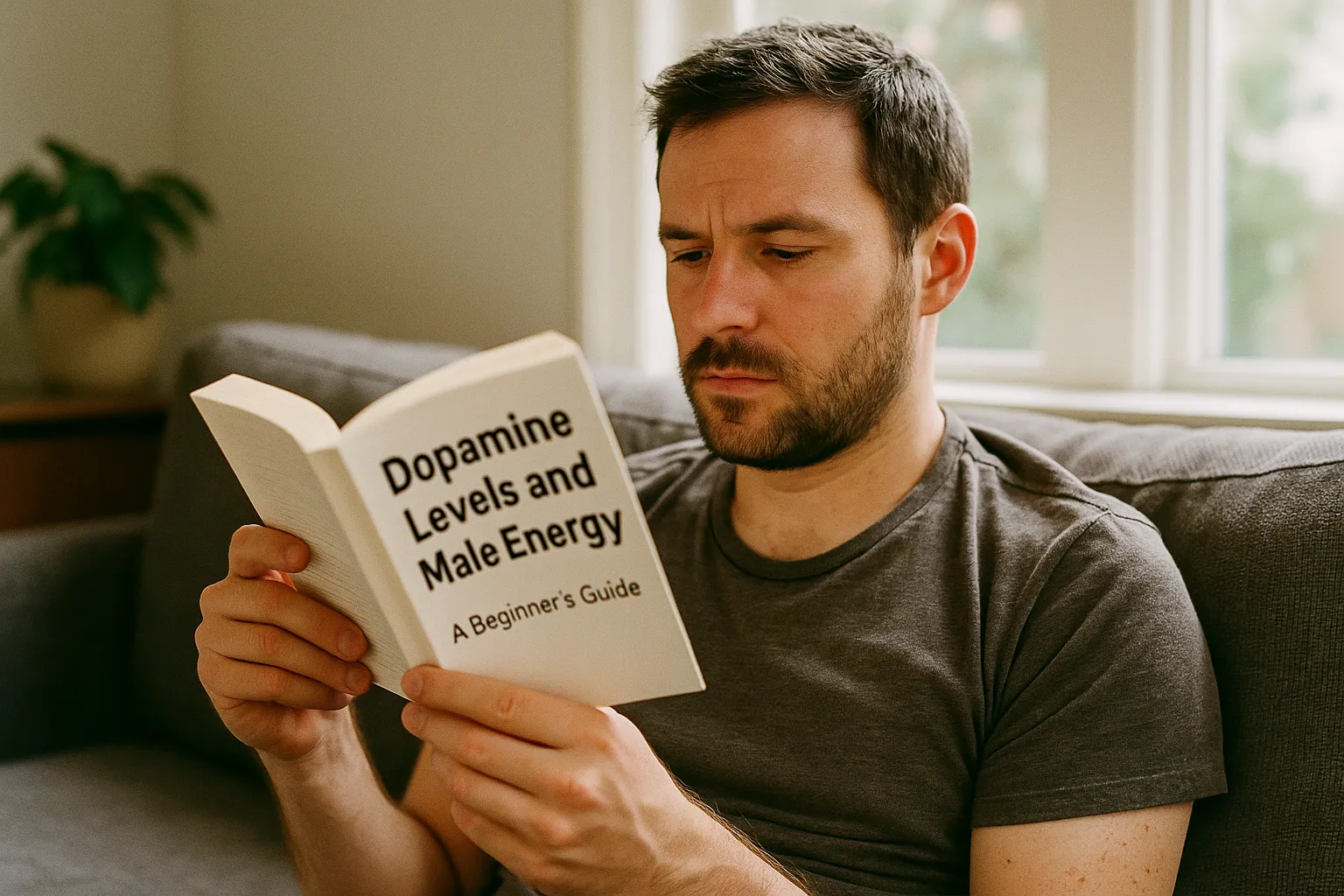
If you've ever wondered why some days you feel driven and sharp while other days you can barely get off the couch, dopamine levels may be part of the answer. Dopamine is a brain chemical that plays a central role in motivation, focus, and the sense of reward that keeps you moving toward goals. For men juggling work, workouts, and relationships, understanding how dopamine works can offer a fresh lens on everyday energy and drive—separate from testosterone or sleep, though it interacts with both.
This guide breaks down what dopamine actually does, why levels can dip, and what research suggests may help support a healthy, balanced dopamine system over time.
What Dopamine Actually Does
Dopamine is often called the "motivation molecule," but that's a simplification. It's more accurate to say dopamine helps your brain decide what's worth pursuing. It spikes slightly before you expect a reward—finishing a workout, closing a deal, or even anticipating a good meal—and that anticipation is what pushes you to act.
Key roles dopamine plays include:
- Motivation and drive – the push to start and finish tasks
- Focus and attention – helping you filter out distractions
- Mood regulation – contributing to a sense of satisfaction
- Movement control – working alongside other neurotransmitters to coordinate physical action
When dopamine signaling is working well, tasks feel manageable and even enjoyable. When it's out of balance, everyday responsibilities can feel heavier than they should.
Why Dopamine Levels Fluctuate
Dopamine isn't a static number—it rises and falls throughout the day and across your lifespan. Several everyday factors can influence it:
Sleep Quality
Poor sleep disrupts dopamine receptor sensitivity, meaning your brain may produce dopamine but respond to it less efficiently. This is part of why a rough night's sleep can leave you feeling unmotivated even if nothing else in your life has changed.
Chronic Stress
Prolonged stress keeps cortisol elevated, and research suggests high cortisol can interfere with healthy dopamine signaling over time. If you're curious about how stress hormones fit into this picture, the guide on supporting cortisol balance walks through practical steps.
Diet and Nutrient Status
Dopamine is synthesized from the amino acid tyrosine, with the help of cofactors like iron, vitamin B6, and folate. A diet lacking these building blocks may limit dopamine production, though deficiency has to be fairly significant to cause noticeable effects.
Overstimulation
Constant exposure to high-reward, low-effort stimulation—endless scrolling, notifications, fast-paced entertainment—can desensitize dopamine receptors. Over time, everyday tasks that once felt rewarding may start to feel dull by comparison.
How Dopamine Levels Connect to Physical Energy
It's easy to think of dopamine as purely a "brain" chemical, but it also has a physical dimension. Dopamine works alongside other hormones and signaling systems that influence muscle readiness and perceived effort during exercise. Some researchers believe dopamine helps regulate how fatigued you feel during physical activity, separate from how fatigued your muscles actually are.
This is one reason low motivation and low physical energy often show up together. If you're also exploring how receptor responsiveness affects energy more broadly, the beginner's guide to hormone receptor sensitivity offers useful background on why your body's response to hormonal signals matters as much as the signals themselves.
Signs Your Dopamine System May Be Out of Balance
No single symptom confirms a dopamine issue, but a cluster of these signs may point toward imbalance:
- Persistent low motivation, even for enjoyable activities
- Difficulty concentrating or finishing tasks
- Needing more stimulation to feel satisfied (louder, faster, more intense)
- Flat or low mood without an obvious cause
- Fatigue that doesn't fully resolve with rest
If these symptoms are significant or persistent, it's worth discussing with a healthcare provider rather than self-diagnosing.
Everyday Habits That May Support Healthy Dopamine Levels
While there's no shortcut to "boosting" dopamine overnight, several evidence-aware habits may help support a healthier baseline over time.
1. Prioritize Consistent Sleep
Regular sleep timing supports dopamine receptor sensitivity. Going to bed and waking at consistent times—even on weekends—appears to matter more than total hours alone.
2. Build in Small Wins
Breaking large goals into smaller, completable steps gives your dopamine system regular, achievable targets. This can help counteract the dulling effect of constant high-stimulation activities.
3. Move Your Body Regularly
Physical activity is linked to healthier dopamine signaling over time. You don't need intense training; consistency matters more than intensity. If you're building a routine from scratch, the progressive overload guide explains how gradual increases in effort can keep workouts sustainable and rewarding.
4. Reduce Low-Effort Stimulation
Cutting back on constant notifications or passive scrolling—even for short stretches—may help your brain reset its sensitivity to everyday rewards.
5. Support Your Body's Natural Rhythm
Hormones, including dopamine-related signaling, tend to follow daily patterns. Structuring your day around natural energy peaks, rather than against them, may support better focus and mood. The guide on supporting your hormone rhythm throughout the day covers this in more detail.
FAQ: Common Questions About Dopamine Levels
Can low dopamine cause fatigue? Dopamine itself doesn't directly cause physical tiredness, but it influences motivation and perceived effort, which can make ordinary fatigue feel more pronounced.
Is it possible to test dopamine levels? Direct dopamine testing isn't standard in routine checkups because levels fluctuate constantly and don't reflect brain activity well. Doctors typically assess symptoms and related factors instead.
Does diet alone fix dopamine imbalance? Diet plays a supporting role by providing the raw materials for dopamine production, but sleep, stress management, and activity levels usually matter just as much, if not more.
The Bottom Line
Dopamine levels quietly shape how motivated, focused, and energized you feel each day. While you can't simply flip a switch to "optimize" dopamine, consistent sleep, regular movement, manageable stress, and balanced stimulation habits all appear to support a healthier dopamine system over time. Small, sustainable changes—rather than dramatic overhauls—tend to make the biggest difference.
This article is for informational purposes only and is not a substitute for professional medical advice.